
“So… should I be afraid that scorpions will crawl into my shoes at night?”
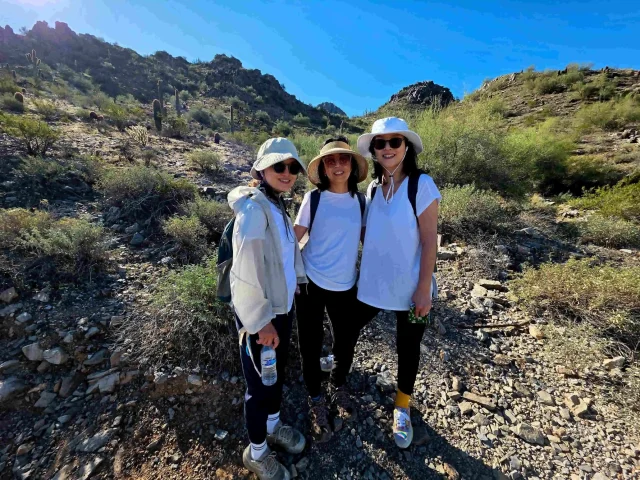
The couple from Michigan looked genuinely terrified as we prepared for their first Sonoran Desert hike. They came wearing long pants tucked into their socks and bringing material about anti-venom that they had gotten off the internet. They were clearly worried about the “deadly desert” they had read about online.

“Let me guess,” I said with a smile. “Have you been searching for ‘Arizona desert dangers’ on Google for the past week?”
They nodded sheepishly.
I’ve heard every desert myth there is after eight years of guiding in the Sonoran Desert. And I’ve seen a lot of first-time visitors come to the desert with completely wrong ideas about what it is. These ideas are usually based on Hollywood movies, sensationalized articles, or well-meaning but wrong advice.
That Michigan couple? By the end of their adventure, they were laughing about their pre-trip anxiety. “We almost canceled because we were so scared,” they said. “Now we can’t wait to come back.”
Let me debunk the five most frequent desert fallacies that first-time visitors always get wrong.
Myth #1: The Desert is Just Empty, Lifeless Sand
The Reality:
The Sonoran Desert is One of Earth’s Most Biodiverse Ecosystems
This is hands-down the biggest desert myth I encounter. Visitors arrive expecting tumbleweeds, endless dunes, and basically… nothing.
Last winter, I guided a family from Boston whose teenage daughter had literally complained the entire drive from the airport: “There’s nothing to SEE in the desert. It’s just boring sand.”
Thirty minutes into our hike, that same teenager was on her knees photographing a chuckwalla lizard, asking a million questions about barrel cactus, and shouting with joy when we spotted a roadrunner.
“I had no idea the desert had so much LIFE,” she kept saying, astounded.
The truth about Sonoran Desert biodiversity:
- Over 2,000 plant species (more than any other North American desert)
- 60+ mammal species
- 350+ bird species
- 100+ reptile species
- More than 1,000 native bee species
- The only place on Earth where saguaro cacti grow
When I moved here from Iowa in 2012, I made this same mistake. I expected brown, bleak vistas. Instead, I found a riot of life that has adapted perfectly to harsh conditions. All it takes is to slow down and really look.
Myth #2: It’s Always Dangerously Hot in the Desert
The Reality:
Arizona Has Four Distinct Seasons (And Winter is Gorgeous)
“Wait, you’re telling me it SNOWS in Arizona?”
I can’t remember how many times guests have expressed disbelief when I explain Arizona’s various climates and elevations. They arrive in January wearing shorts and tank tops, astonished to realize they require jackets for morning treks.
The desert climate myth assumes Phoenix/Scottsdale temps represent all of Arizona, all year-round. Wrong.
Temperature reality check:
- Summer (June-August): Yes, it’s hot. 100-115°F during the day. This is why we only offer pre-9 a.m. adventures.
- Winter (November-March): Morning temps 45-65°F, perfect hiking weather
- Spring/Fall: Ideal conditions, 60-85°F
- Higher elevations: Flagstaff gets 100+ inches of snow annually
Last February, I escorted a couple from Florida who kept apologizing for bringing winter coats. “We feared you’d laugh at us for overpacking,” they said.
“Are you kidding? I answered by pointing to the temperature in my truck, which said 48°F at 6:30 a.m. “Those jackets are just right.”
By 9 a.m., they had taken off their layers because the temperature had risen to 68°F, which is the best weather for trekking that you can’t get in the summer.
Is the myth that the Arizona desert is always very hot? Not true at all. Winter is the best time of year for many reasons.
Myth #3: Everything in the Desert is Trying to Kill You
The Reality:
Desert Wildlife Mostly Wants to Avoid You
A visitor from New York once wouldn’t go more than three feet from the trailhead because she had heard that rattlesnakes “hide everywhere waiting to strike.” She really thought the desert was a death trap.
I told her, “In eight years of guiding every day, I’ve seen maybe fifty rattlesnakes.” And none of them have ever “attacked” anyone. They rattle to scare us away because THEY’RE scared of US.”
The truth about “dangerous” desert creatures:
Rattlesnakes: Yes, they’re venomous. No, they don’t run after or attack people. They want to be by themselves. Stay on the trails, be careful where you step, and give them room. I’ve never had a guest bitten on any of the thousands of hikes I’ve been on.
Scorpions: The bark scorpion’s sting is painful but rarely life-threatening to healthy adults. They’re nocturnal and hide during the day. Shake out shoes left outside overnight. That’s it.
Gila Monsters: Extremely rare to see. Slow-moving. Only bite if you grasp them (which… don’t do that).
Javelinas: Look scary but generally avoid humans. Give them room, especially if babies are around. They’re not aggressive unless cornered or provoked.
Coyotes: More afraid of you than you are of them. In hundreds of coyote sightings, I’ve never witnessed one approach a human.
Respect wildlife, follow basic safety rules, and you’ll be fine.
Myth #4: You Can’t Hike in Summer (At All)
The Reality:
Summer Hiking is Possible—With Proper Timing and Preparation
Yes, summer is challenging. No, it’s not completely impossible.
I constantly get emails from visitors who’ve heard that “nobody hikes in Arizona summer” and presume the entire outdoor recreation sector shuts down June through August.
Not true. We shift strategy dramatically, but we absolutely still guide adventures.
The summer hiking truth:
- Early morning adventures (starting 5:30-6 a.m.) are safe and comfortable
- Temperatures at dawn are 25-30°F cooler than midday
- Trails are virtually empty (locals know the secret)
- You finish before 9 a.m. with your entire day ahead
Last July, I guided a photographer from Seattle on a 5:45 a.m. sunrise expedition. At that hour, it was 78°F—totally manageable. We trekked, photographed saguaros in golden light, found wildlife, and concluded at 8:30 a.m. as temperatures touched 95°F.
He said, “I can’t believe how nice that was.”
The myth is that heat makes it impossible to do things outside. No, it doesn’t. You just need to change when and how you go on adventures.
At 10 a.m.? Yeah, get off the paths. But from sunrise till 9 a.m.? “Definitely possible with the right amount of water and sun protection.
Myth #5: The Desert is the Same Everywhere
The Reality:
Desert Environments Are Incredibly Varied
“We hiked in Palm Springs last year, so we know what to expect.”
I gently told the California couple that the Sonoran Desert is very different from the Colorado Desert they had been to. Plants, animals, geology, and everything else are all different.
North American desert diversity:
- Sonoran Desert: Lush, biodiverse, iconic saguaros, bi-modal rainfall
- Mojave Desert: Joshua trees, higher elevation, colder winters
- Chihuahuan Desert: Agaves, yuccas, summer monsoons
- Great Basin Desert: Sagebrush, cold desert, winter precipitation
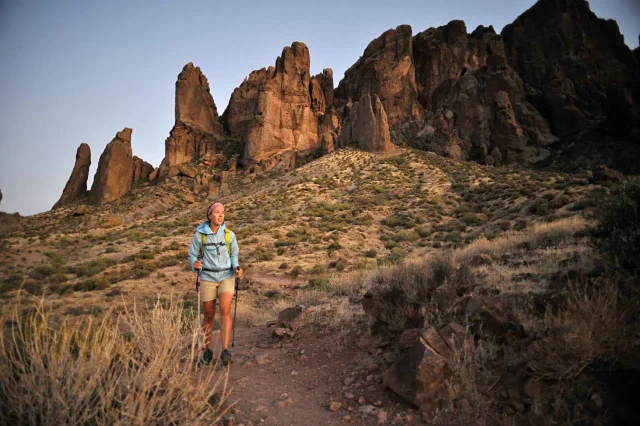
Microclimates make a huge difference even in the Sonoran Desert. A route at 1,500 feet looks very different from one at 3,500 feet. Slopes that face north support different flora than slopes that face south.
During a single three-hour hike, guests often experience:
- Multiple soil types (granite, limestone, volcanic)
- Varied vegetation (saguaro forests, palo verde washes, creosote flats)
- Different microclimates (sunny exposed ridges, shaded canyons)
- Distinct wildlife zones
The Real Truth About the Sonoran Desert
The Sonoran Desert is honest. It shows what you put into it. If you hurry, you’ll miss everything. If you slow down, the desert will start to tell you stories about survival, adaptation, patience, and strength.
People who go on our Phoenix hiking trips often say things like, “I didn’t think this would be so important.” Or “I’ll never see the desert the same way again.”
That’s the part no myth prepares you for.
Experience the Desert the Right Way with Wild Bunch Desert Guides
Wild Bunch Desert Guides
can show you the real desert in Arizona, whether it’s your first time or your fifth. They can show you more than just a checklist hike.
We offer personalized guided desert treks with skilled local guides and all the safety gear you need. We help you see the Sonoran Desert clearly and with respect, whether you’re on a Phoenix or Scottsdale hiking tour.
About the Author
Laurel Darren is the founding owner of the Wild Bunch Desert Guides, a 5-star rated adventure tour company that offers guided hiking tours and guided mountain biking tours in Arizona’s picturesque Sonoran Desert in the Phoenix/Scottsdale area. Arriving in the legendary “Valley of the Sun” in 2012 — from the home of John Deere in the Quad Cities of Eastern Iowa/Western Illinois — this corn-fed Midwest girl brought 30 years of athletic chops under her chaps. A 3-sport high school standout and former college softball player – who won her conference’s Athlete of the Year award as a prep senior – Darren has graduated to competing in many races as an adult, from road running and cycling, to cyclo-cross and Mountain Bikes, and even Duathlon and Triathlon “Ironman” competitions. Darren was a popular, top-rated senior mountain bike guide at Arizona’s Outback Adventures before branching out to start her own small adventure business in 2016. To book a guided mountain bike tour or guided hiking trip – or a combination of the two adventures – please visit the home page www.wildbunchdesertguides.com or call 602-663-0842